




Frequently Asked Questions
Body Contouring
Facials & Peels
Hair Restoration
Injectables
Laser Hair Removal
Other
Skin Resurfacing/Lasers
Wellness
Pentadeca Arginate is not FDA-approved for medical use. It is available through licensed medical providers for investigational and compounded use. At Elase, all therapies are prescribed and monitored under medical supervision.
Research is ongoing into Pentadeca Arginate’s potential role in supporting tissue repair and post-activity recovery. Evidence is preliminary, and it is not an FDA-approved treatment for any medical condition.
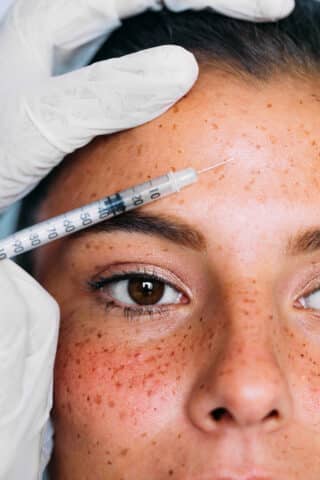
It may be administered either as an injection or in capsule form. Your provider will recommend the method best suited to your treatment plan.
Pentadeca Arginate and BPC-157 are different compounds being studied in early research. There are no head-to-head clinical trials proving one is superior to the other.
Possible side effects may include temporary injection site reactions such as redness, swelling, or mild discomfort. Some individuals report fatigue, headache, or appetite changes. Any concerning symptoms should be reported to your provider.
Response times vary widely. Evidence from human studies is limited, and timelines have not been established in clinical trials. No results are guaranteed.
Yes. Pentadeca Arginate should be stored in the refrigerator (36–46°F / 2–8°C) to maintain stability. Storage instructions are included with your treatment kit.
Pentadeca Arginate is being studied for its potential role in supporting tissue health and recovery. At Elase, therapy decisions are individualized—your provider will help determine whether this option aligns with your goals and health profile.
All therapies at Elase begin with a consultation and health history review. Your provider will discuss potential risks and side effects, answer your questions, and guide ongoing monitoring if you move forward with treatment.
Pentadeca Arginate is available in both subcutaneous injection and oral capsule forms. Your Elase provider will determine which approach is appropriate for you and provide detailed instructions for use.
- Antioxidants and Redox Signaling: NAD+/NADH and NADP+/NADPH in Cellular Functions and Cell Death: Regulation and Biological Consequences
- Cell: Declining NAD+ Induces a Pseudohypoxic State Disrupting Nuclear-Mitochondrial Communication during Aging
- Proceedings of the National Academy of Sciences: NAD+ supplementation normalizes key Alzheimer’s features and DNA damage responses in a new AD mouse model with introduced DNA repair deficiency
- Trends in Cell Biology: NAD+ and sirtuins in aging and disease
- Scientific Reports: Nicotinamide Riboside Opposes Type 2 Diabetes and Neuropathy in Mice
The peptide and hormone therapies offered by Elase have not been approved by the U.S. Food and Drug Administration (FDA) for the uses described on this website. The FDA does not review or approve any compounded medications for safety or effectiveness. The information provided here is for general educational purposes only and should not be considered medical advice. The statements on this website have not been evaluated by the FDA. These products are not intended to diagnose, treat, cure, or prevent any disease.